
Lima Interpretation Retreat
Lima, Peru
22 People
7 Days/6 Nights
Starting from:
$250

Price:

$250

Duration

7 Days

Language

English, French

People:

22

Rating

4.7
Location – Lima, Peru
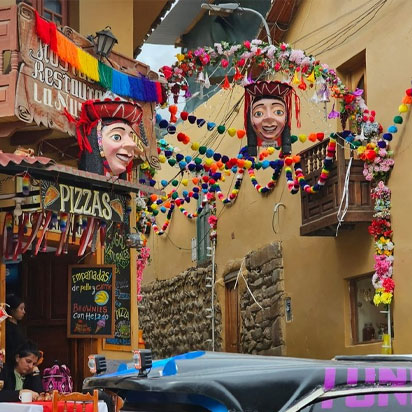
Once known as "The city of Kings," Lima, the capital city of Peru, is today considered to be the gastronomic capital of South America and is currently home to 3 of the top 50 restaurants in the world.
Peru is a multicultural melting pot with over 40 indigenous languages and strong influences from European, African, Asian and Andean cultures.
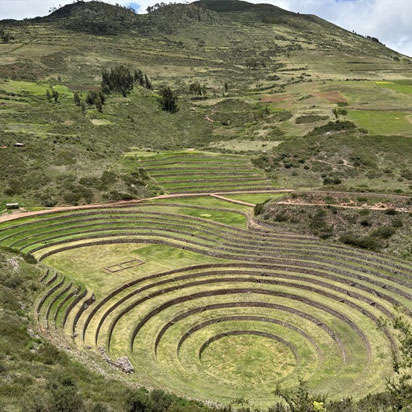
Although Lima's history began with the founding of the city by the Spanish conquistadors in 1535, the area around Lima was occupied by pre-Inca settlements long before that. Its rich history, culinary delights and location next to the ocean, make it the most visited capital city on the continent.
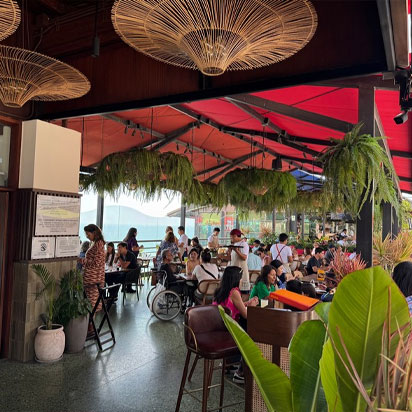
Lima is so much more than a training destination, offering everything you need to either stimulate your mind, tantalize your tastebuds, or connect with nature and sacred traditions to quieten your mind and feed your soul. With all of this going for it, how could we not select Lima as the location of our next retreat?
What's Included
Evaluation of SI interpretation into English
Evaluation of Spoken English
Targeted, personalized remedies for specific problems in English
Tips, tools and techniques to continue improving your English
Not Included
Full board: breakfast, lunch, dinner
Flights and transfers
Extra-curricular activities
Tour Plan
This 7-day Lima retreat is designed to reflect the energy of the city shown throughout the page's video and gallery, combining ocean views, historic neighborhoods, gastronomy, and cultural exchange with daily interpretation practice. Each day balances skill-building, live language exposure, and time to experience Lima in a way that feels both immersive and restorative.
Morning:
  • Airport arrivals, hotel check-in, and a relaxed welcome breakfast with the group.
  • Retreat orientation covering goals, schedule, and how interpretation practice will be built into the week.
  • Short diagnostic listening exercise using Peruvian Spanish audio to identify speed, accent, and vocabulary challenges.
Afternoon:
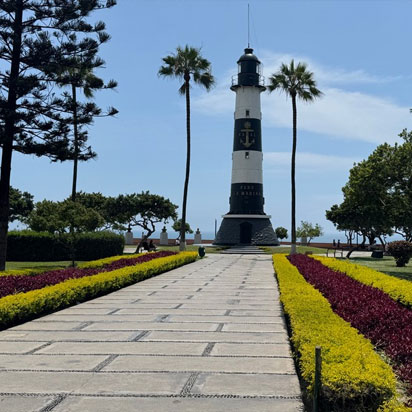
  • Guided neighborhood walk through Miraflores and the Costa Verde to settle into Lima and notice the city's rhythm, signage, and public language.
  • Vocabulary capture session focused on travel, hospitality, and city orientation terms.
  • Lunch with partner discussion on first impressions and cross-cultural observations.
Evening:
  • Welcome dinner featuring Peruvian cuisine and informal conversation practice.
  • Light consecutive interpretation icebreakers in pairs to build confidence before the intensive sessions begin.
Morning:
  • Morning workshop on note-taking, reformulation, and managing long idea units in consecutive interpretation.
  • Accent familiarization drills using Peruvian current affairs and cultural topics.
  • Brief coached role-plays before the city visit.
Afternoon:
  • Guided visit to Lima's historic center, plazas, and colonial landmarks with live listening tasks and terminology collection.
  • Lunch in the center followed by a debrief on heritage, religion, politics, and tourism vocabulary.
  • On-site mini consecutive practice based on guide explanations and participant summaries.
Evening:
  • Feedback lab with faculty on delivery, compression, and message accuracy.
  • Optional sunset walk and reflection journaling.
Morning:
  • Breakfast briefing on food, ingredients, menu language, and client-facing cultural mediation.
  • Sight translation drills using menus, event descriptions, and short tourism texts.
  • Partner work focused on explaining culturally specific concepts clearly in English.
Afternoon:
  • Market and culinary exploration in a local district with guided language tasks and live vendor interaction.
  • Shared lunch highlighting Peru's regional food traditions and descriptive vocabulary.
  • Short cultural briefing assignment: each participant interprets a food or market concept for the group.
Evening:
  • Group review of terminology, register choices, and audience adaptation.
  • Free evening to explore Miraflores, rest, or continue vocabulary study.
Morning:
  • Simultaneous interpretation fundamentals with focus on anticipation, decalage, and self-monitoring.
  • Booth-style practice using short museum and cultural heritage recordings.
  • Targeted coaching on maintaining flow while preserving key meaning.
Afternoon:
  • Visit to a museum or curated cultural site to deepen context around Peruvian history, art, and identity.
  • Terminology harvesting focused on artifacts, chronology, symbolism, and public education.
  • Guided reformulation exercises turning dense explanations into audience-friendly English.
Evening:
  • Peer feedback circle and short mindfulness reset to avoid cognitive overload.
  • Optional coastal dinner with informal Spanish listening practice.
Morning:
  • Workshop on ethics, turn-taking, clarification strategies, and managing real human interaction with empathy.
  • Role-play scenarios based on travel, education, wellness, and community dialogue.
  • Preparation of personalized goals for the live exchange component.
Afternoon:
  • Structured community or guest speaker exchange where participants practice active listening and mediated communication.
  • Coached interpretation rounds with immediate faculty notes on tone, neutrality, and completeness.
  • Lunch and reflective discussion on how interpreters bridge not only language, but also context and trust.
Evening:
  • Small-group debrief and strategy reset for the final practice days.
  • Free time to rest, rehearse, or explore Lima's evening atmosphere.
Morning:
  • Sunrise or morning movement session by the coast to support breath, posture, and mental clarity for interpreters.
  • Voice and stamina work focused on pacing, articulation, and staying calm under pressure.
  • Short guided reflection on how environment and wellbeing affect performance.
Afternoon:
  • Advanced practice session combining consecutive and simultaneous modes with Lima-themed content.
  • Faculty coaching on speed control, reformulation, and elegant recovery from missed details.
  • Personal improvement lab to target each participant's recurring challenge areas.
Evening:
  • Group dinner celebrating progress and sharing standout learning moments from the week.
  • Optional preparation time for the final showcase on Day 7.
Morning:
  • Capstone interpreting sessions where participants demonstrate growth across the week's themes.
  • Individual feedback with practical next steps for continuing English and interpretation development after the retreat.
  • Final goal review and personal action planning.
Afternoon:
  • Closing lunch and certificate moment with space for connection, photos, and celebration.
  • Pack, transfer preparation, and optional last walk through the neighborhood.
  • Departure support for those heading to the airport or onward travel.
Evening:
  • For later departures, enjoy a calm final evening in Lima and leave with a clear learning roadmap.
Calendar Bookings
March 2025
MON
TUE
WED
THU
FRI
SAT
SUN
1
2
3
4
5
6
7
8
9
10
11
12
13
14
15
16
17
Booked
18
Booked
19
Booked
20
Booked
21
Booked
22
Booked
23
Booked
24
Booked
25
Booked
26
Booked
27
Booked
28
Booked
29
30
31
Where you’ll be
Explore Lima, Peru
Lima, Peru
FAQs
Yes, a passport is typically required for international travel. It serves as your official government-issued identification and is necessary for entering and leaving a foreign country. It's important to note that the requirements for obtaining a passport can vary by country, so it's best to research the specific requirements for your destination well in advance of your trip.